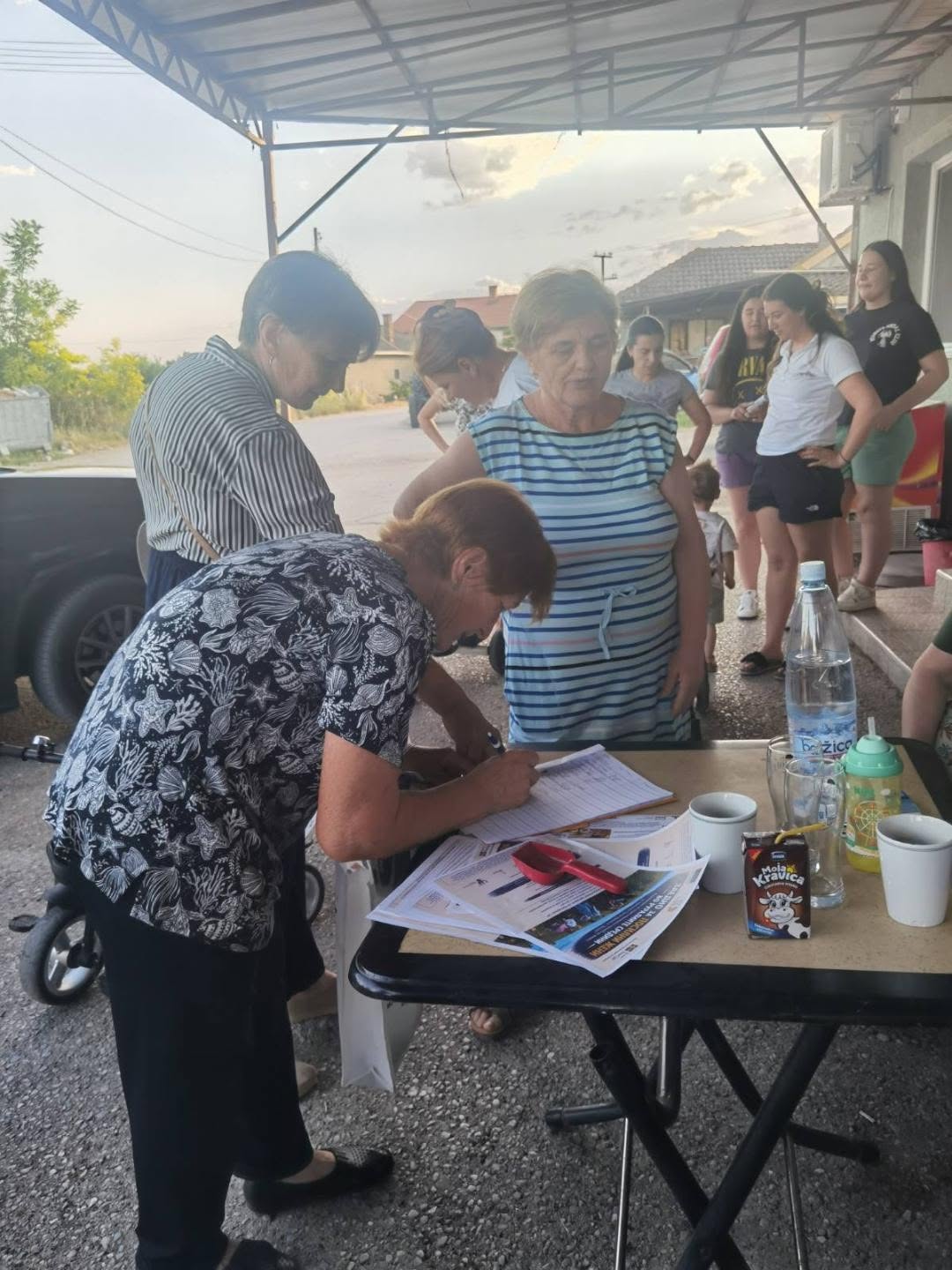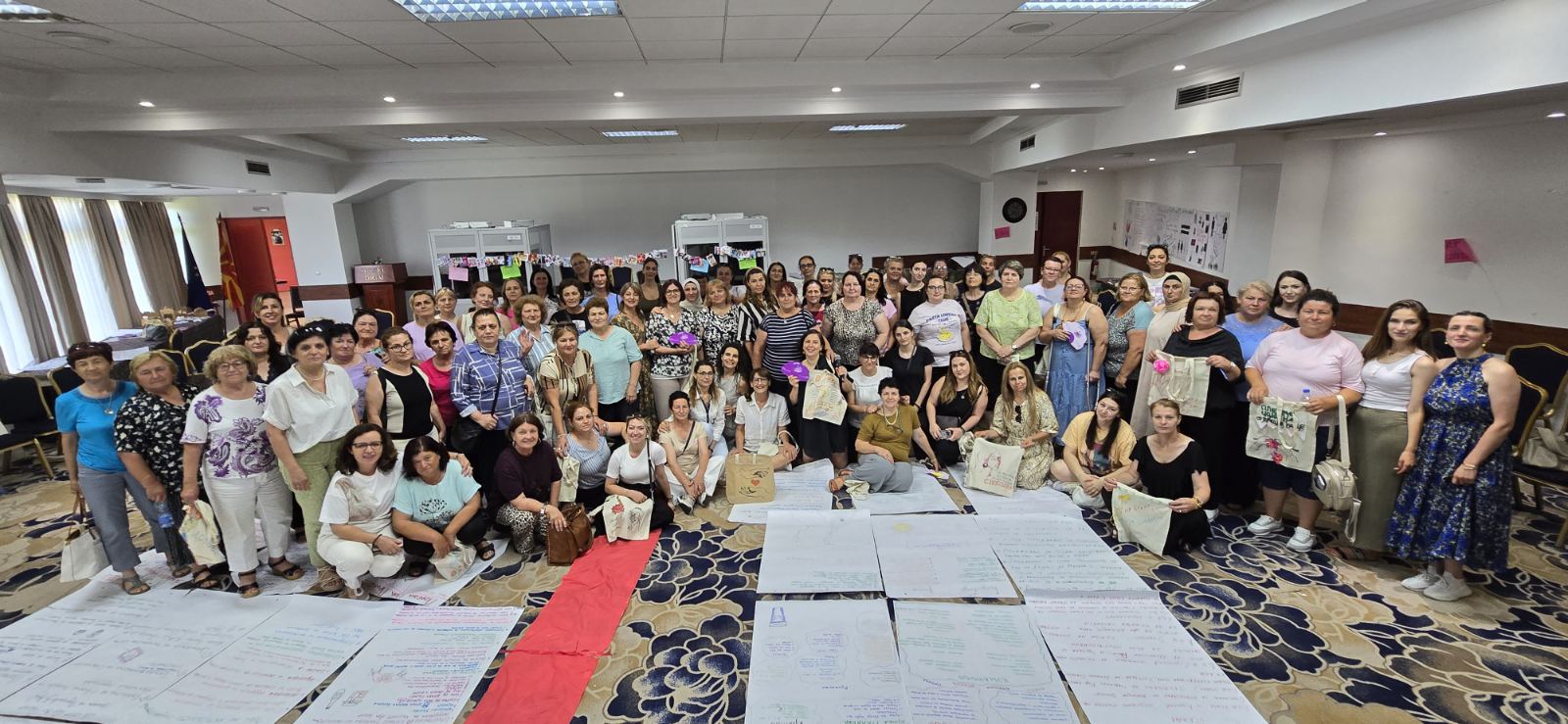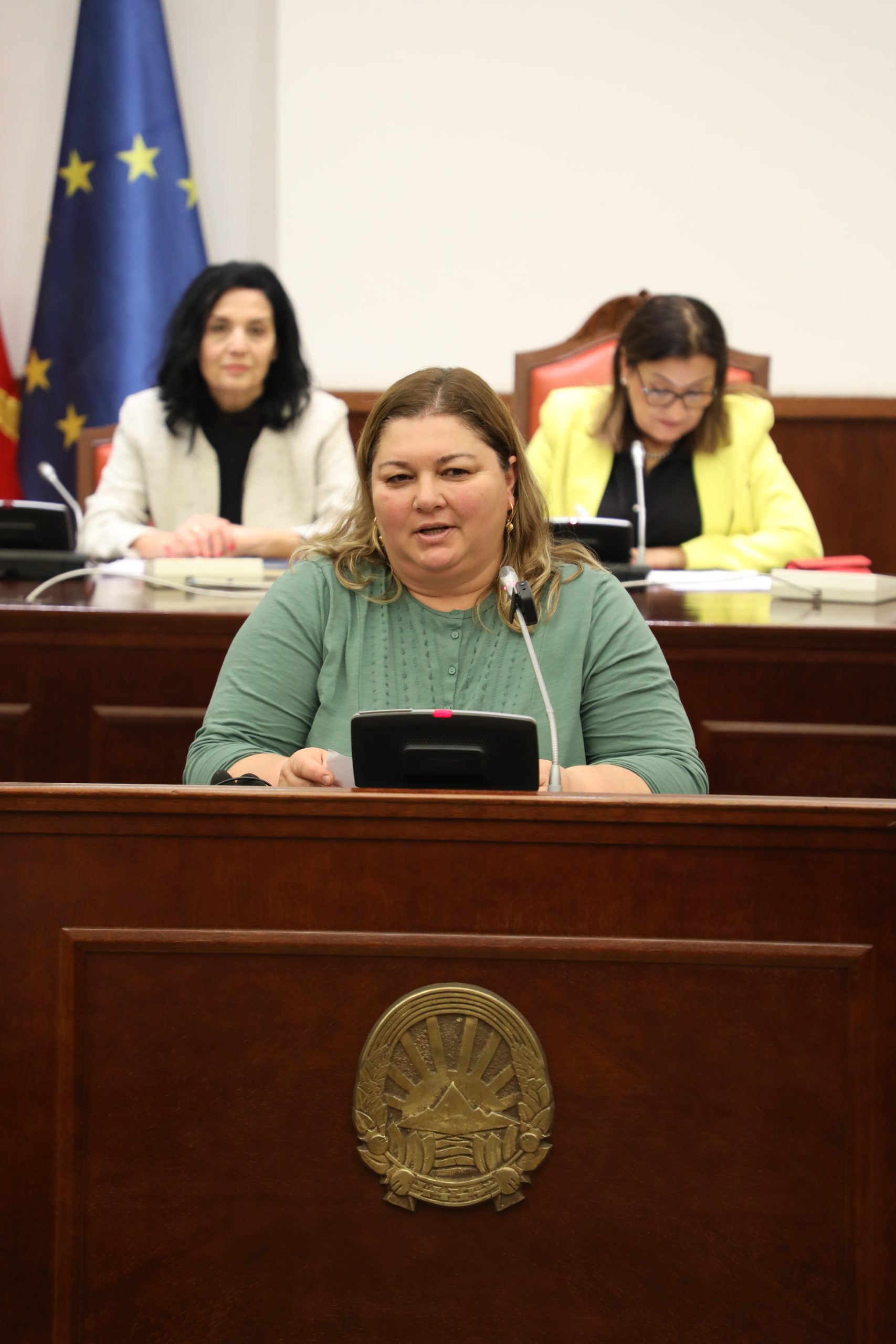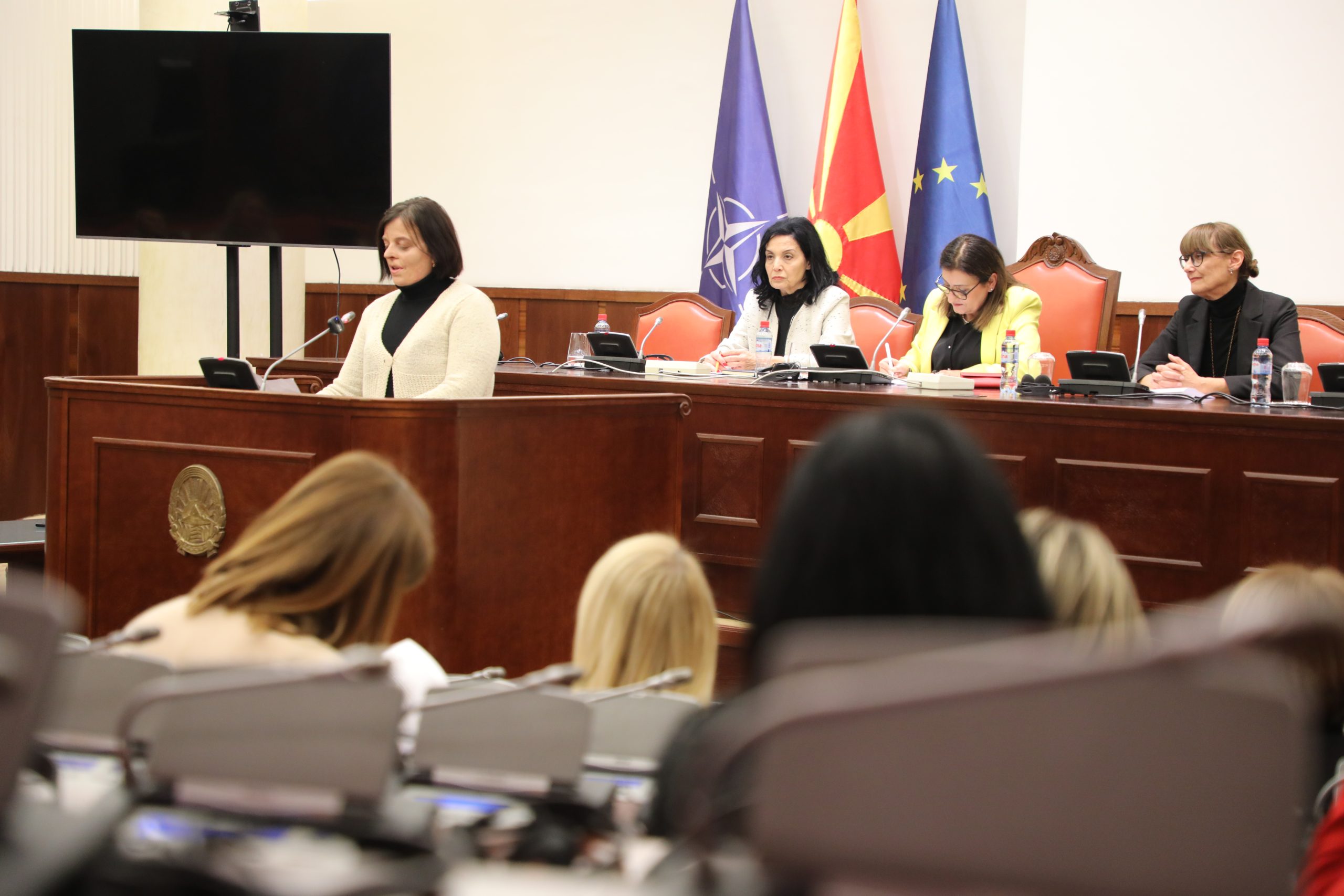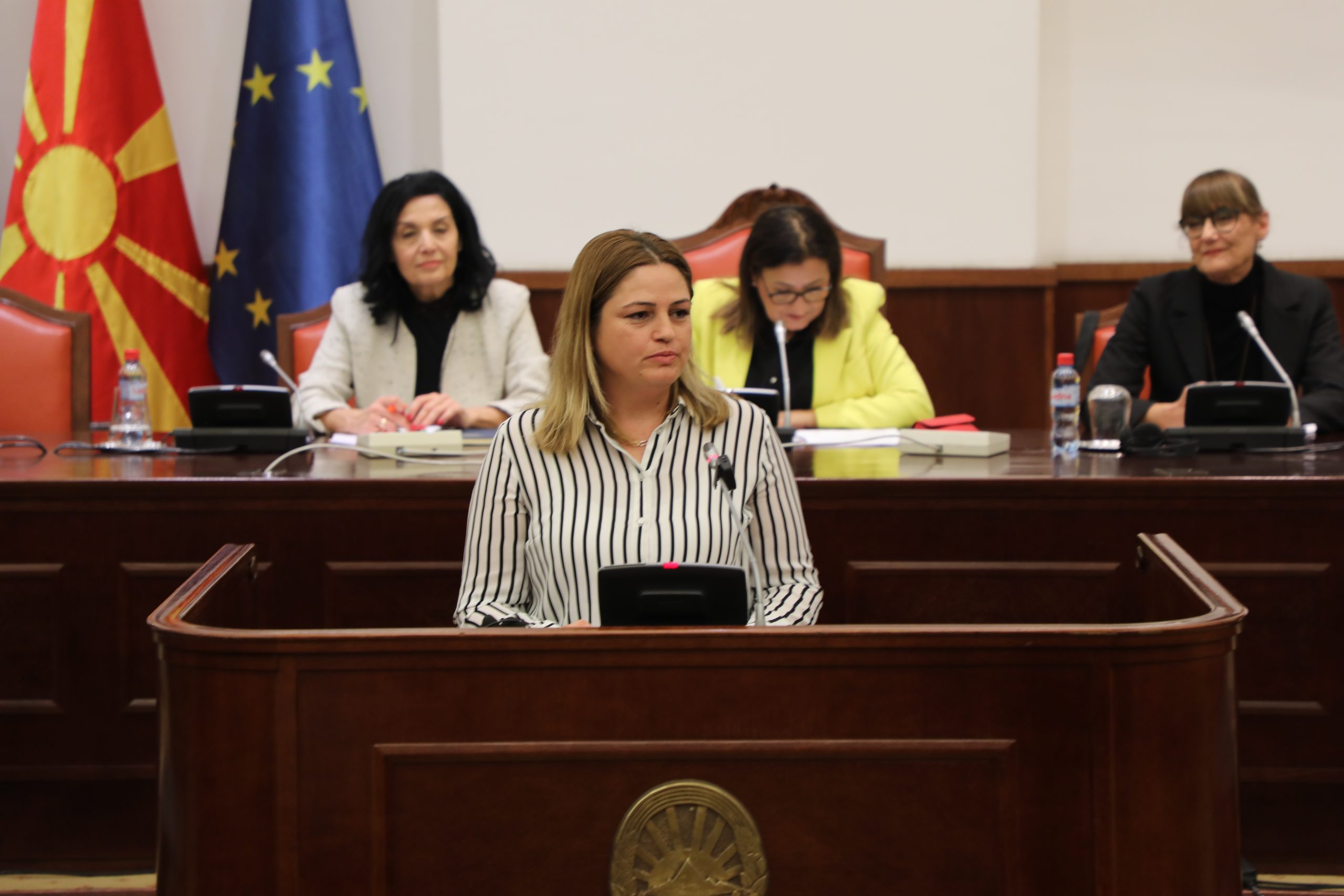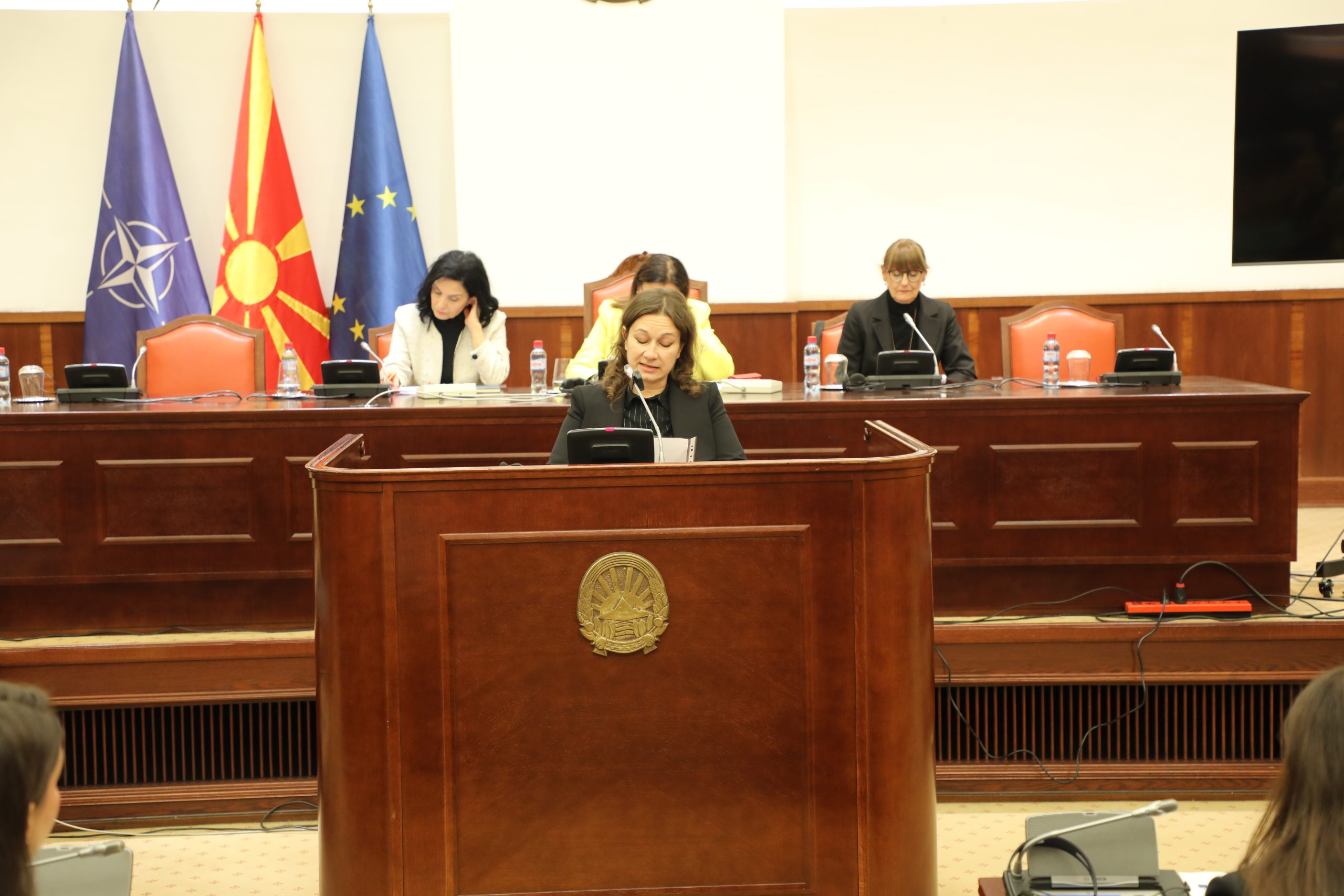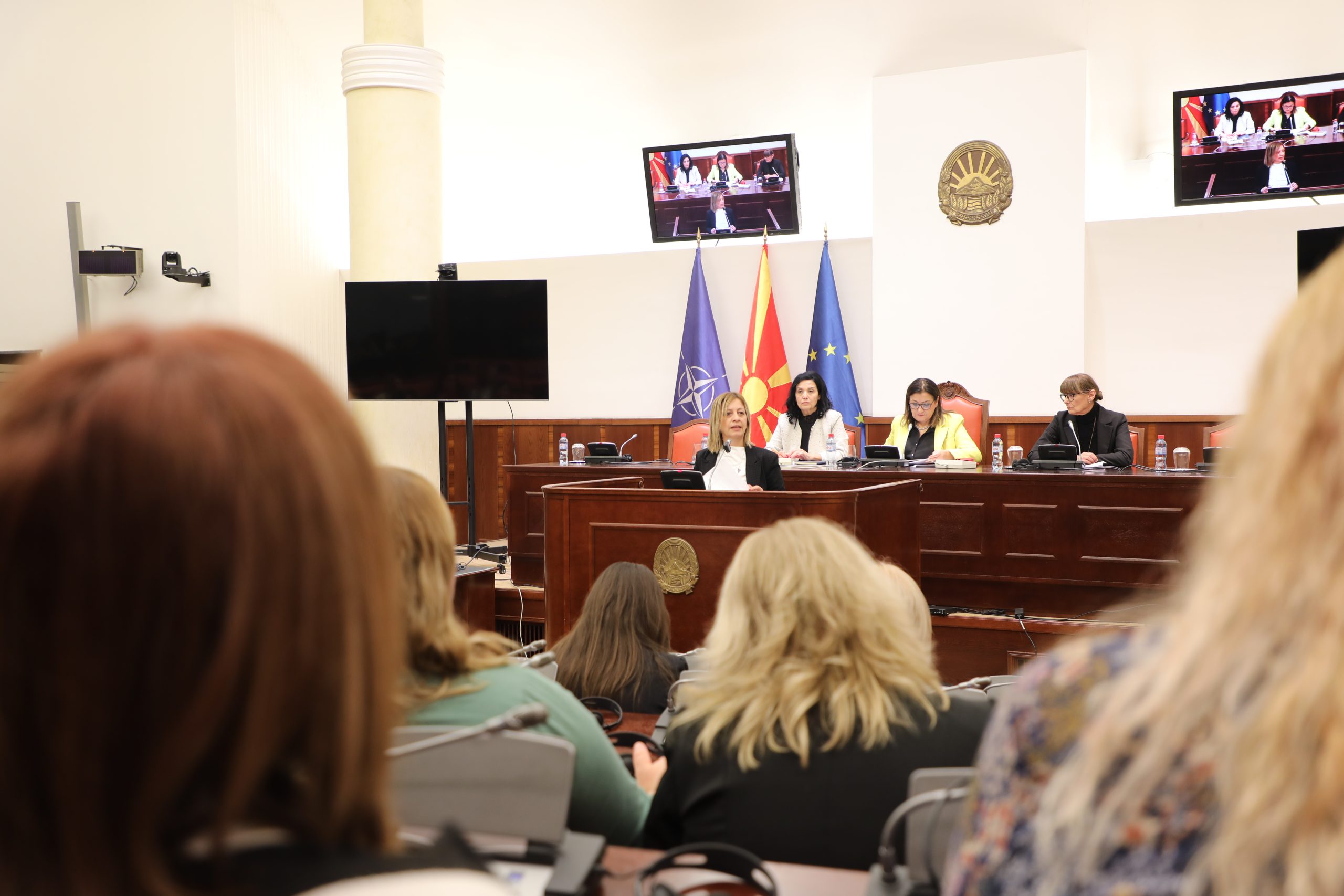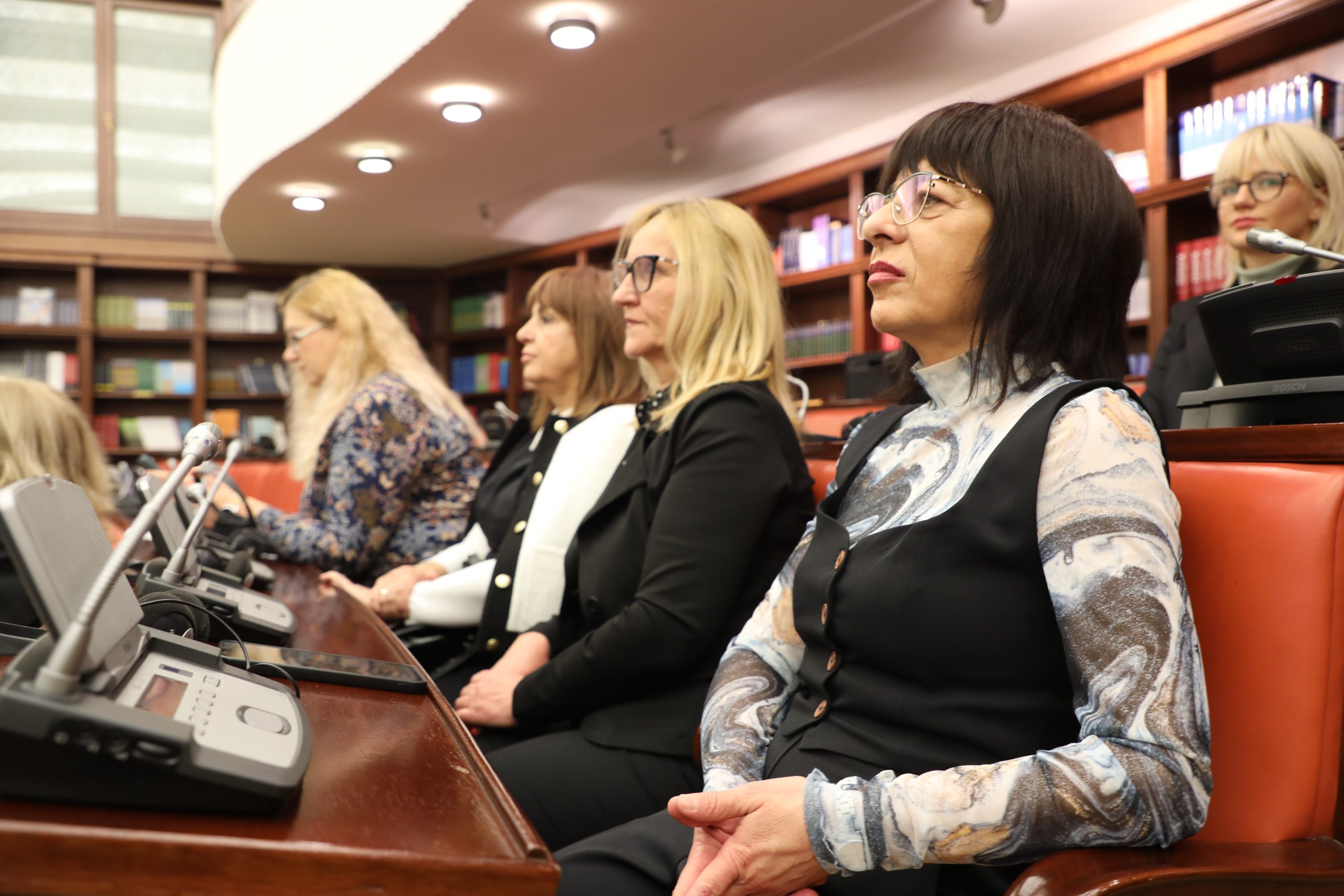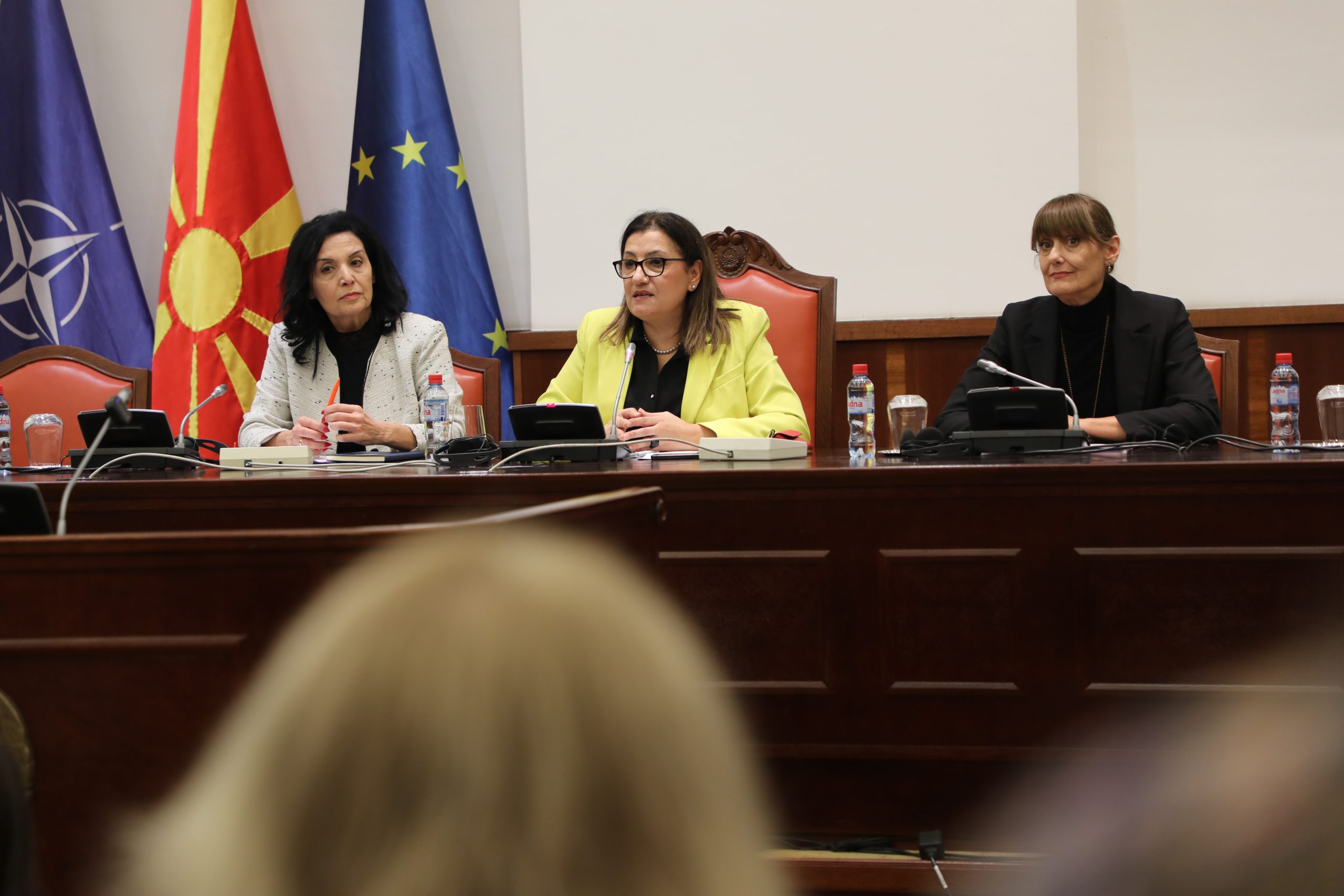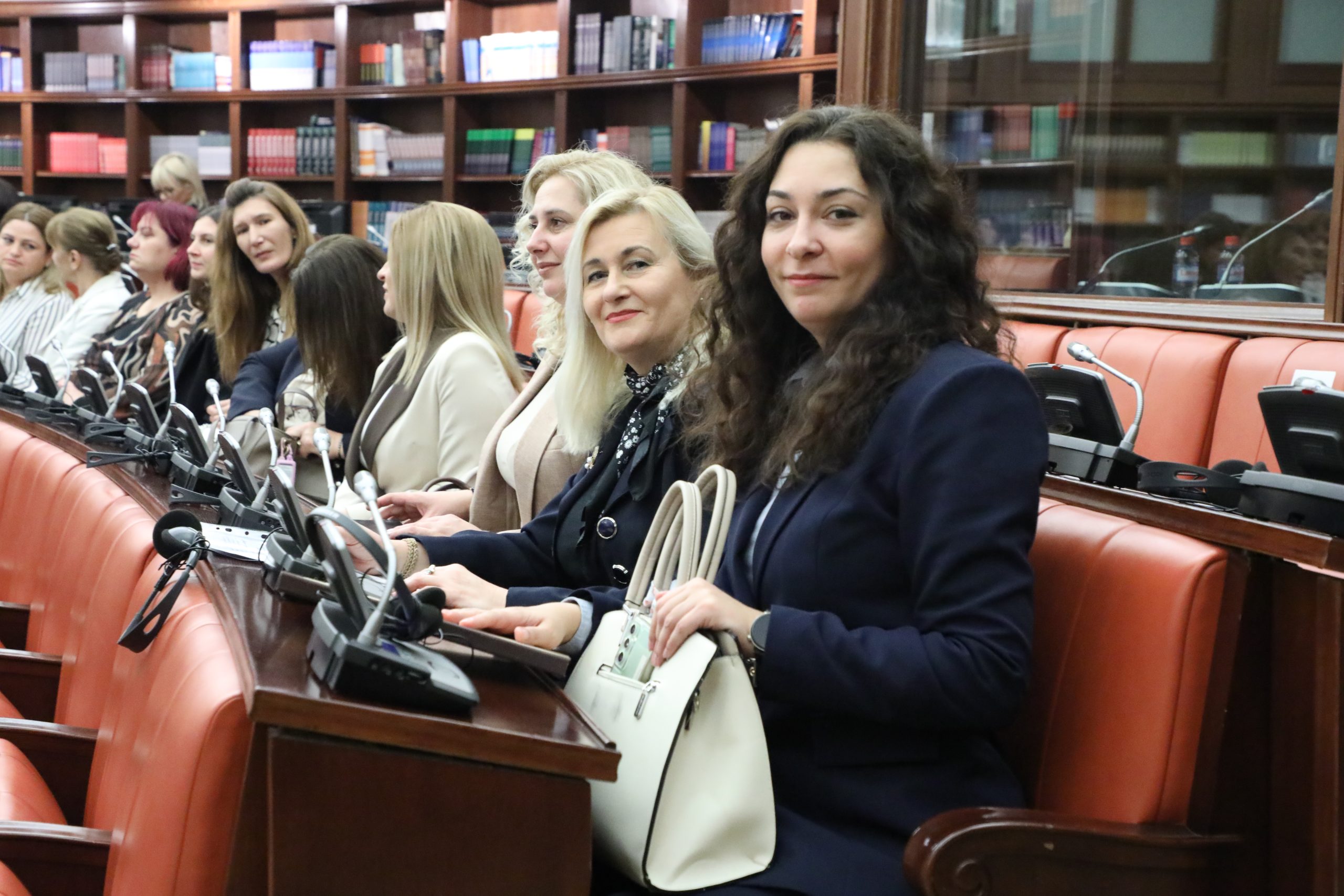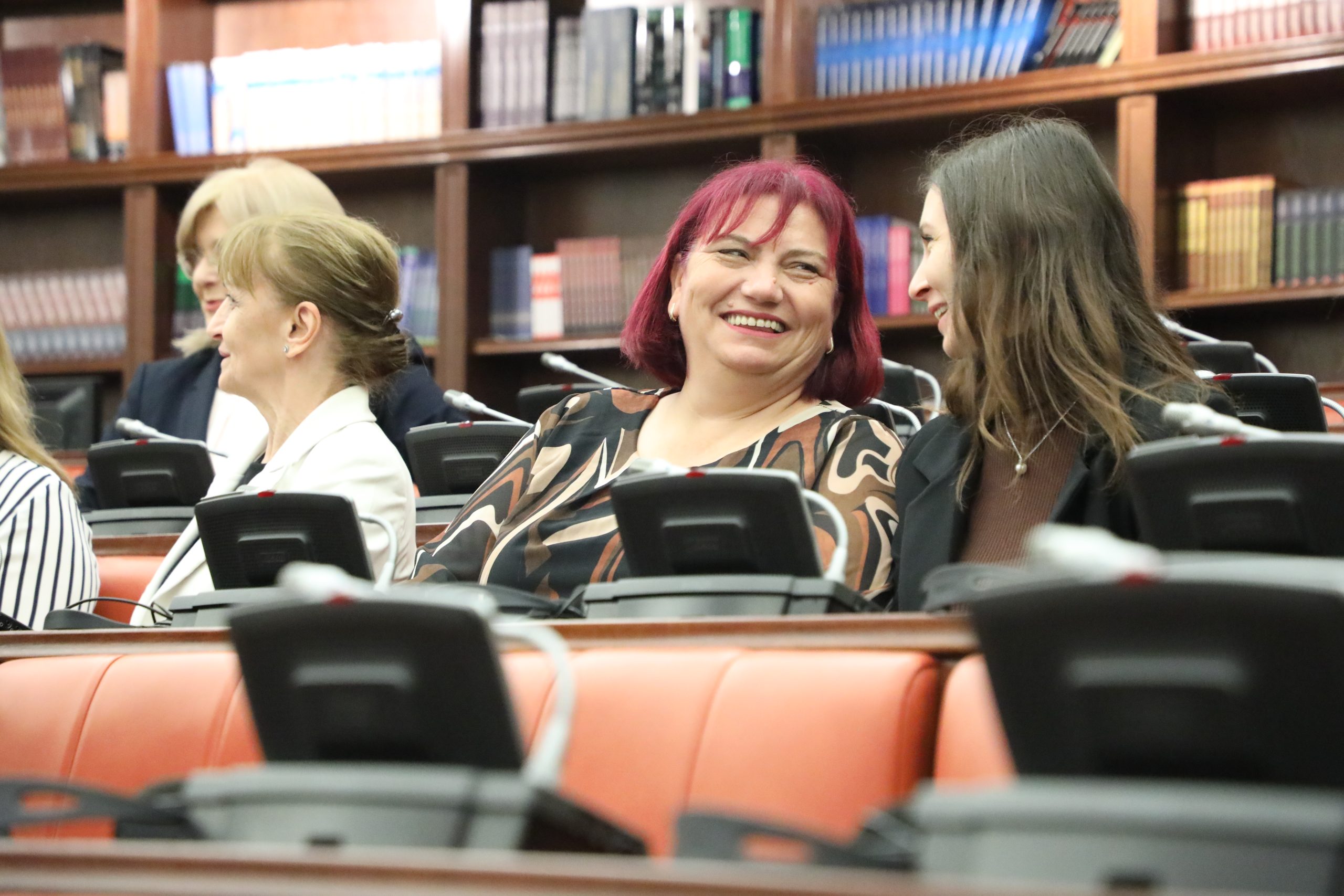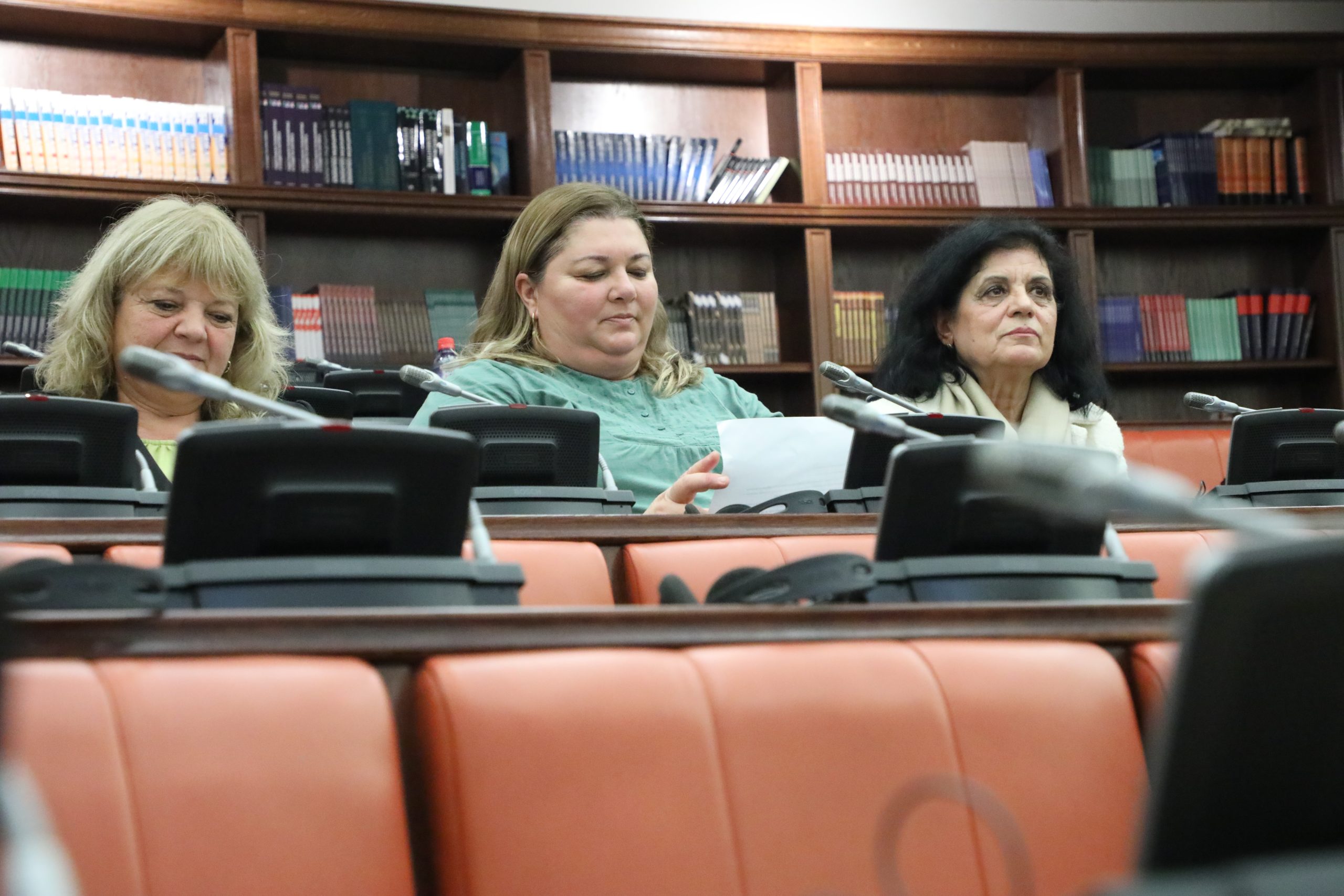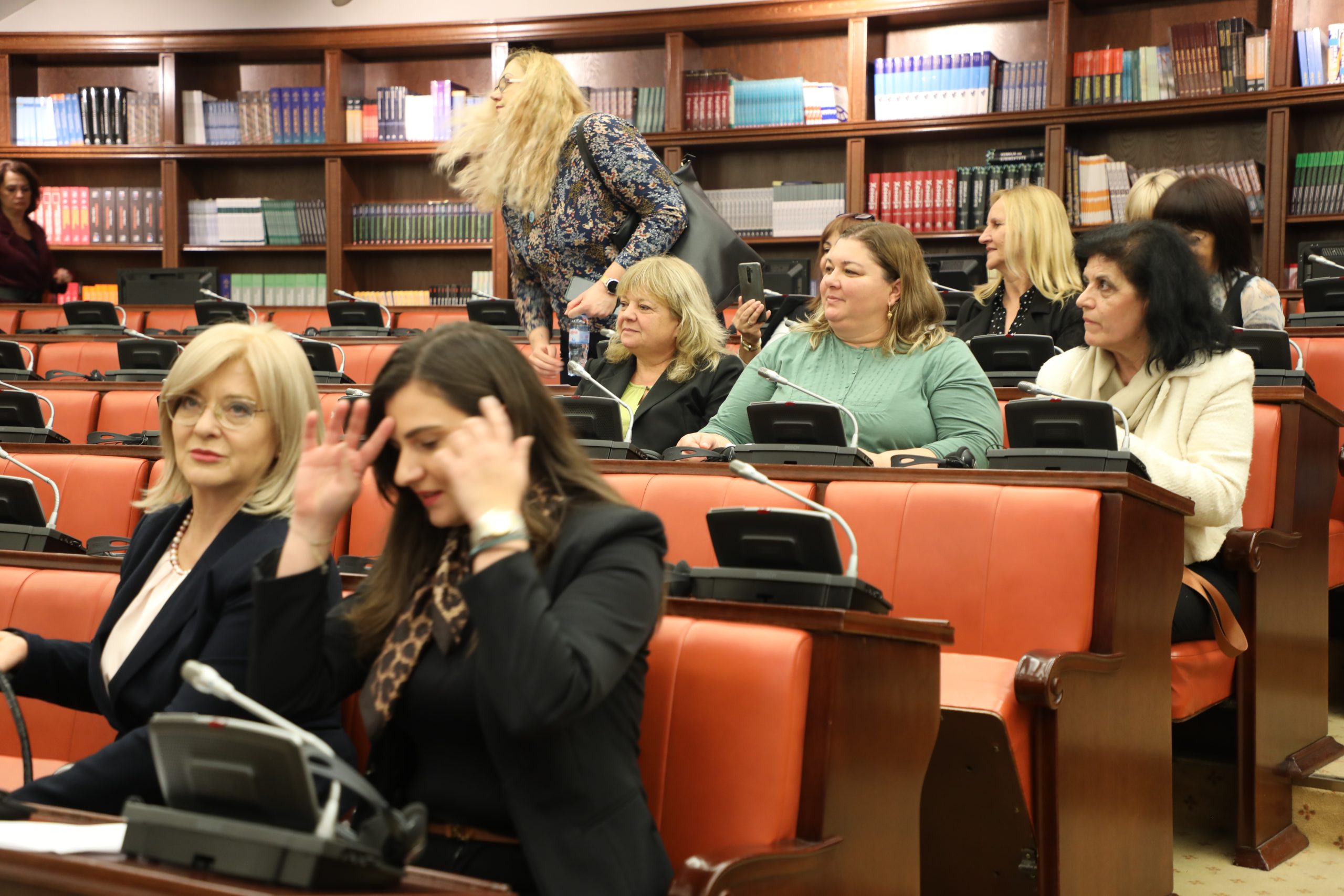
Activists from local communities, representatives of women’s organizations, and members of parliament recently held a joint meeting at the Assembly, where women officially presented their demands to elected representatives for the first time.
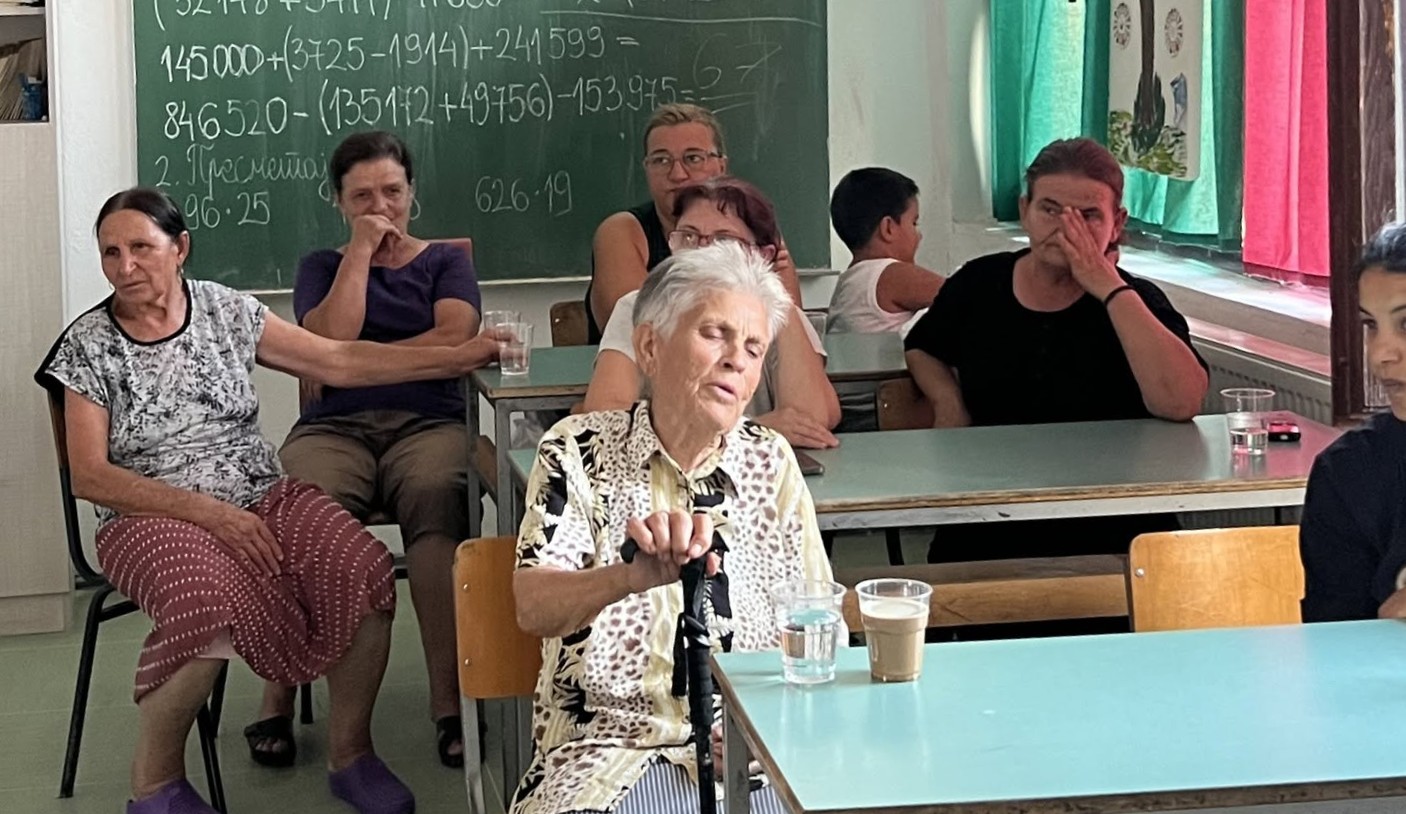
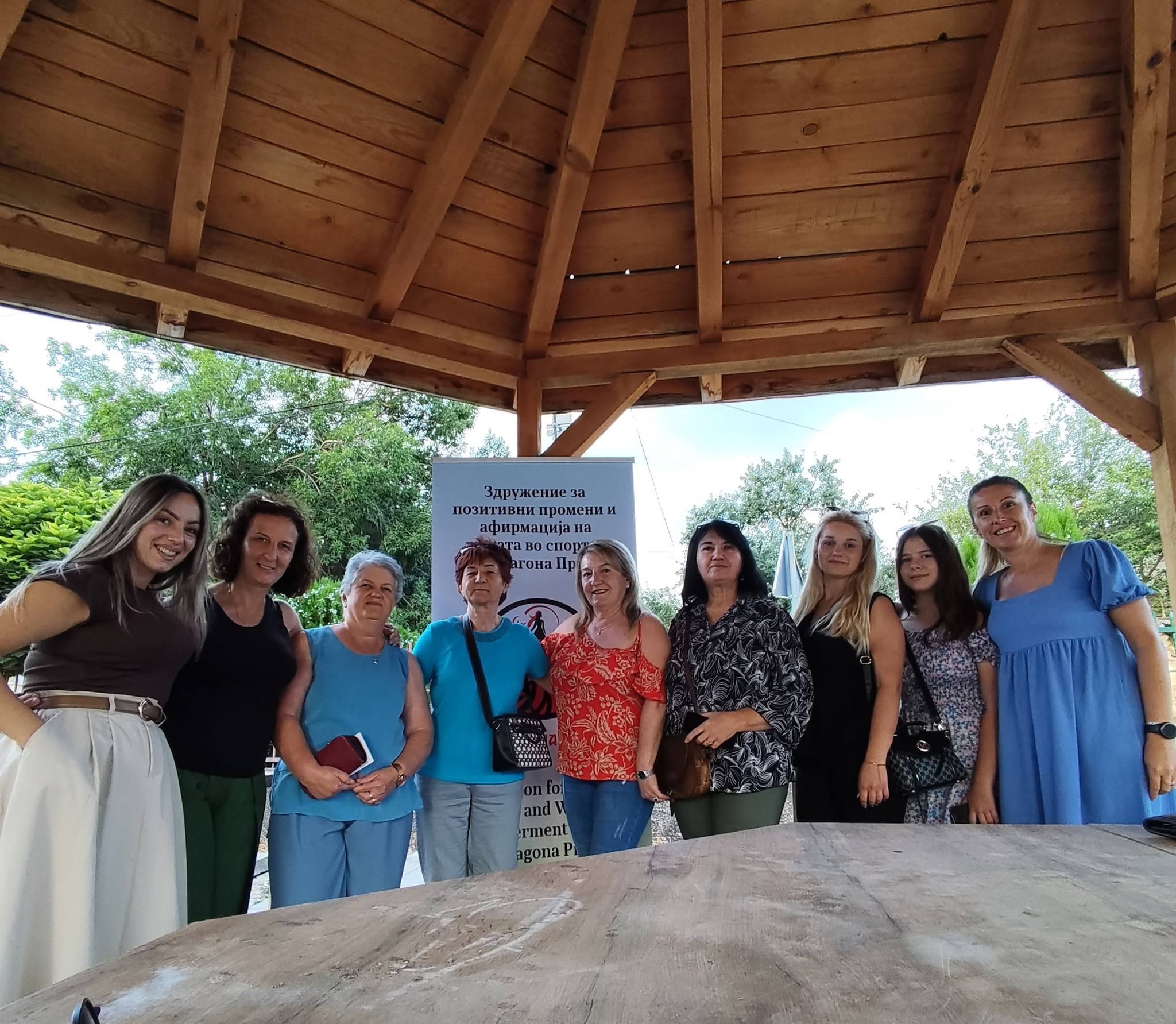
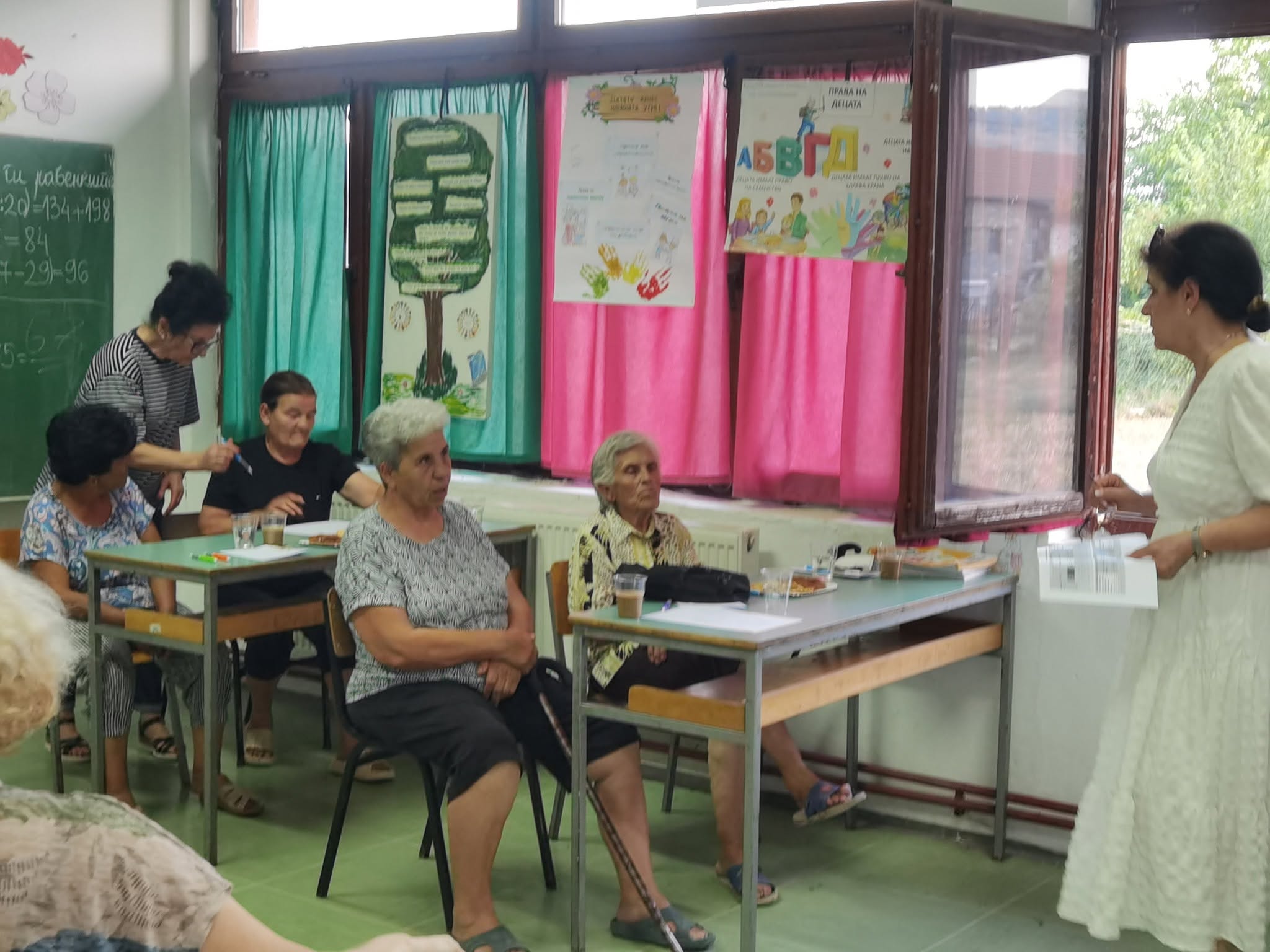
The meeting, organized by The Kvinna Till Kvinna Foundation, the Association for the Advancement of Gender Equality “Akcija Zdruzhenska” – Skopje and the Humanitarian Association “Majka” from Kumanovo, was held at the Women Members of Parliament Club, which hosted eight local organizations and 16 women from rural communities. They called for amendments to the Law on Local Self-Government to enable a multi-phase procedure for citizen participation, specifically guaranteed participation of women, strengthening of local community governance and the provision of spatial and financial resources to make women’s participation real and sustainable.
The meeting was opened by the President of the Women MPs’ Club, Jovana Trenchevska, and the Deputy President of the Committee on Equal Opportunities, Vesna Gjorgjieva. The Executive Director of Action Associative, Marija Savovska, stressed that women’s leadership must not remain a privilege of a few women with education and resources.
“Women’s participation, economic independence, and access to basic local services cannot depend on the goodwill, finances, or capacity of municipalities, but require a national response,” Savovska emphasized.
This was echoed by Lenche Hristova from the Organization of Women – Strumica, who underlined that the systemic exclusion of women from local processes can only be overcome through systemic solutions. She called on MPs to support the scheduling of the 52nd plenary session, where amendments to the Law on Local Self-Government are to be voted on.
Elizabeta Stojanova from the women’s circle in Sachevo warned that without addressing stereotypes within households, without encouragement, and without open institutions, women will continue to remain outside decision-making processes.
“Without encouraging women to believe they have the right to participate, without confronting stereotypes at home, without open institutions and without safe spaces for women’s action, genuine women’s inclusion cannot be expected,” she said from the podium. Fadrije Mustafovska from the association Radika-De assessed that women from rural areas remain “invisible” to existing public programs.
“Women without property, without formal education, women who care for their families or lack mobility – they are excluded from the very beginning. It is time for measures to be adapted to real needs,” Mustafovska said, presenting the results of the latest research conducted in three rural municipalities, which shows strong interest among women but also serious financial and structural barriers.
Particularly striking were the testimonies related to access to safe drinking water and wastewater systems. Ivana Cvetković Stojčeva from the humanitarian association Majka Kumanovo warned that in parts of rural Kumanovo the lack of clean water is a matter of survival. She referred to data from the Institute of Public Health, according to which in 2024, 26.8% of physico-chemical and 42.9% of bacteriological water samples in villages around Kumanovo were unsafe.
“Residents in 44 villages are forced to find their own solutions for safe drinking water. The situation with wastewater is also dramatic – there is almost nowhere a functional sewage network. This directly endangers residents’ health, pollutes land and water, and creates additional costs for families,” Cvetković Stojčeva stated.
That the problem is real and extremely costly was confirmed by Željka Diklić Ilievska from the women’s circle Pčinja, who described the daily life of thousands of families without access to safe water.
“At home, I have a system of marking barrels – some for dishes, others for cooking, and for drinking we use only purchased, bottled water. My family of four spends at least 40 euros per month just on bottled drinking water, plus an additional 50 euros for household needs,” she said.
The organizers concluded that the demands of local women are not matters of goodwill, but of human rights, health, economic security, and democratic participation. They appealed to institutions to provide financial and technical resources, as well as permanent mechanisms for gender-equal decision-making at the local level.